



The Three-Layer System for Cold Weather
Most people dress for cold by reaching for the thickest coat they own. It works while you are standing outside and fails the moment you go indoors, get on a train, or walk further than a block. Layering solves that, not because it is warmer in absolute terms, but because it is adjustable. Three thinner garments give you four or five different levels of warmth. One thick coat gives you two.
The base layer moves moisture
The layer against your skin has one job, and it is not warmth. It is to move perspiration away from you. Damp fabric against skin pulls heat out fast, which is why cotton underlayers feel cold once you have been walking. Merino or a synthetic base handles this better. If you are only going from car to office, this layer matters little; if you are outside for an hour, it matters more than the coat.
The middle layer holds air
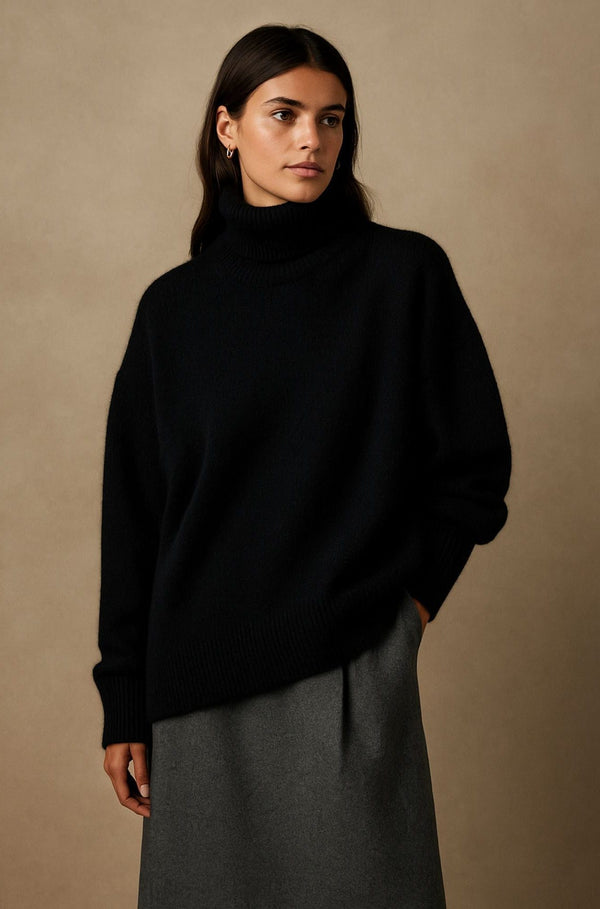
Insulation works by trapping still air, and the more air a layer traps for its weight, the better it insulates. Knitwear, fleece, and light quilting all do this. This is the layer to add or remove as conditions change, so it should be easy to take off without disassembling the whole outfit. A full-zip is more practical here than something you have to pull over your head.
The outer layer blocks wind
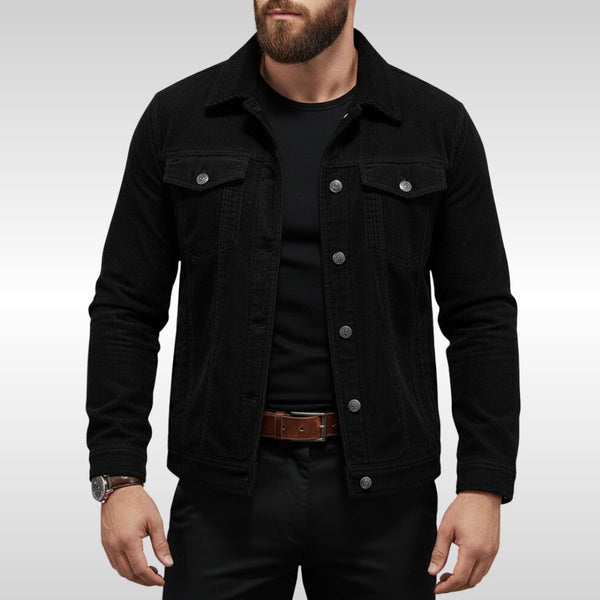
Wind strips away the warm air your middle layer is holding, which is why a thin windproof shell over a sweater often beats a thick coat worn alone. If the outer layer is not windproof, the two layers beneath it are doing less than you think. Water resistance matters in the same way, since wet insulation stops insulating.
Where quilted pieces fit
A quilted jacket or gilet is unusual in that it can serve as either the middle or the outer layer. Worn under a coat it adds warmth through the body without bulk at the arms. Worn on its own it is a complete outer layer for dry, still conditions. A gilet in particular is the most underrated item here, because it warms the core while leaving the arms free.
Leave room, and buy in the right order
The commonest layering mistake is buying each piece to fit perfectly on its own. Compressed insulation does not insulate, so a coat worn over a sweater needs room for that sweater. Try the outer layer over what you actually intend to wear beneath it, and check that you can reach forward without the cuffs riding up your wrists.
Getting the sizing right
Measurements for every jacket and coat are on the product page. If you are choosing an outer layer to go over knitwear, measure your chest over the sweater rather than over a shirt. Send us the numbers through the Contact Us page if you want a second opinion before ordering, and see our Return and Refund Policy for the 30-day window if the fit is not right.